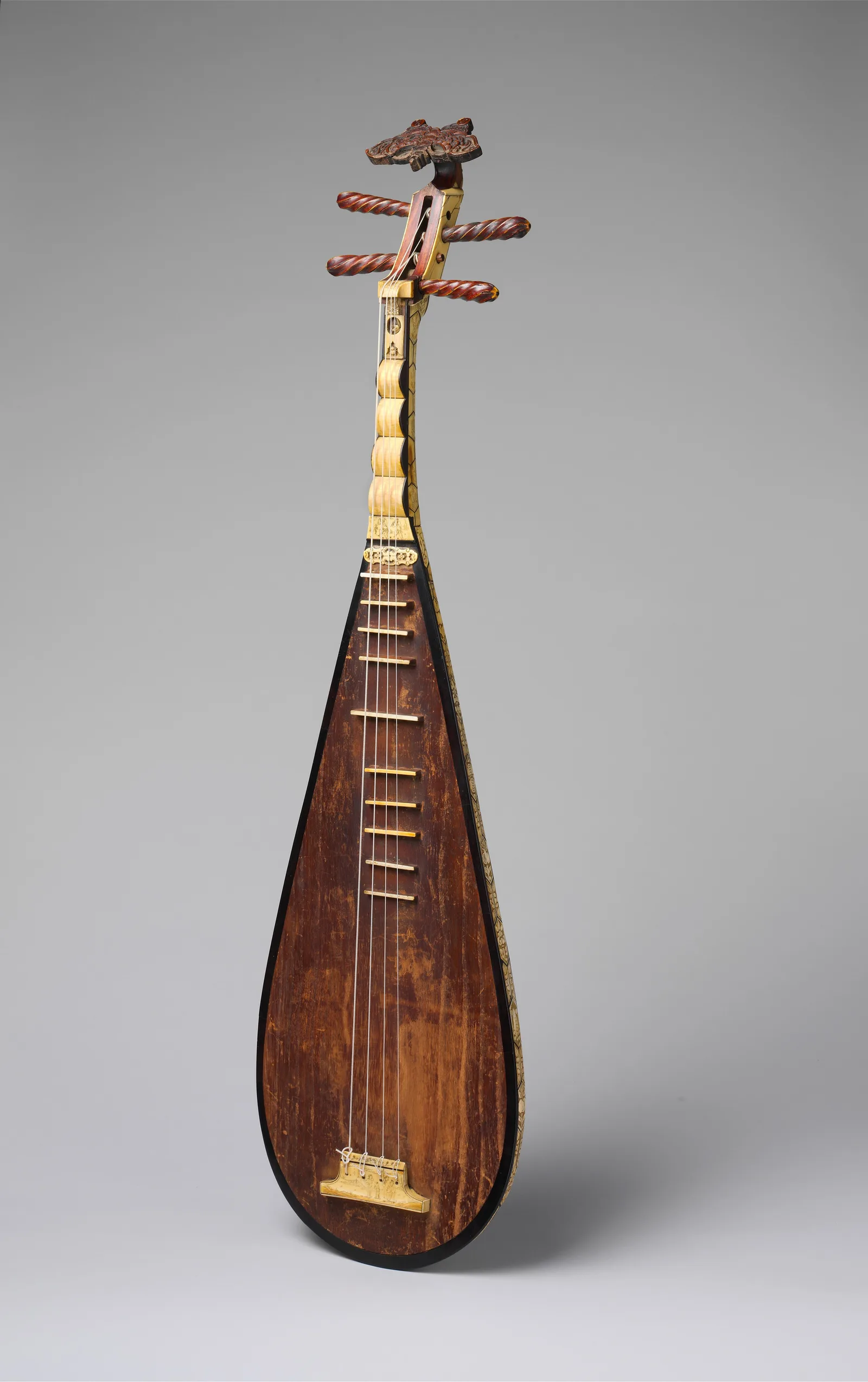
Demonstration image — a licensed photograph of the instrument type, not a photograph of a specific item for sale.
More views
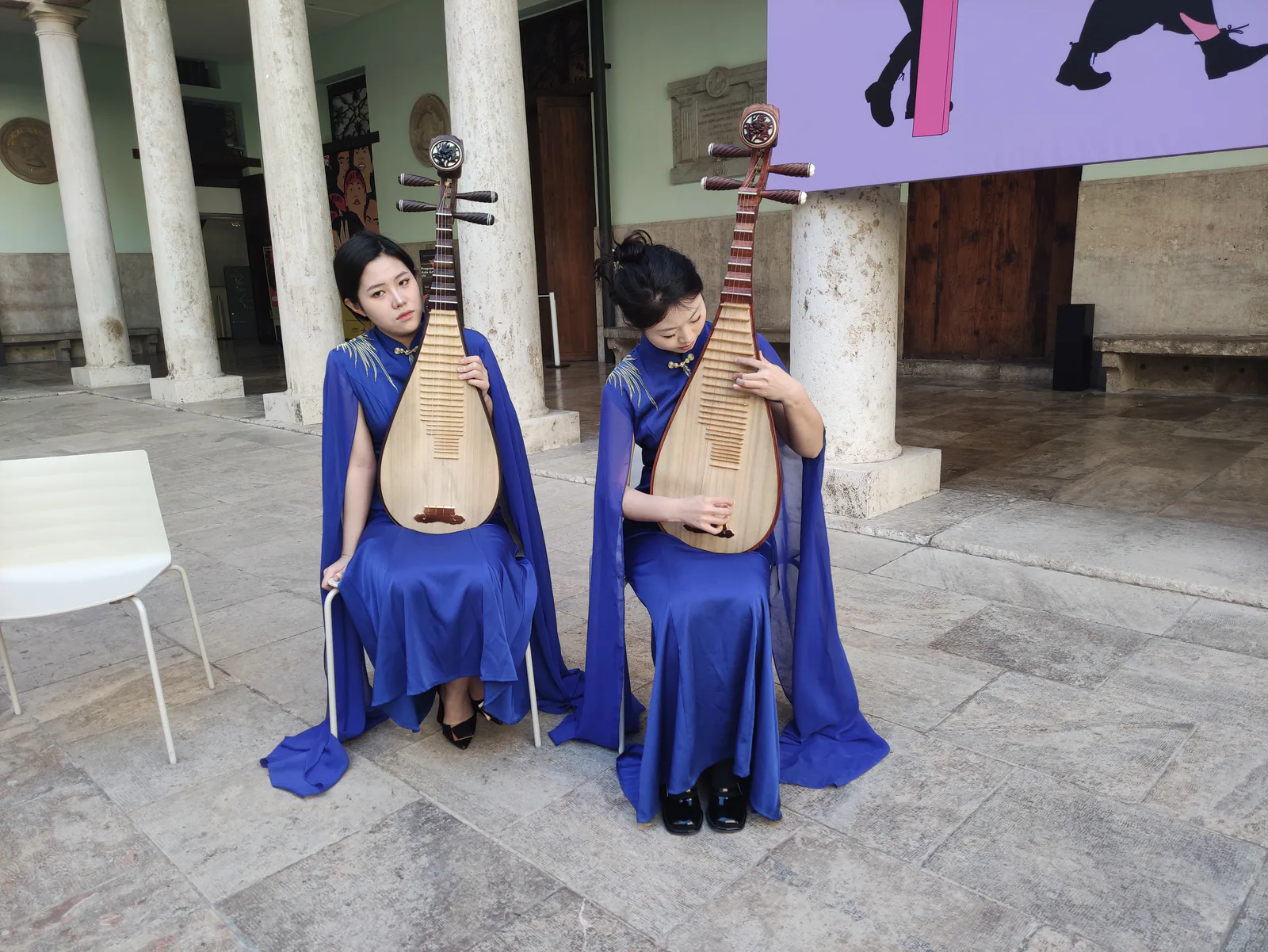
Student Maple Pipa
学生级琵琶
A bright, responsive lute for the first years of learning.
- Pear-shaped body with 24 frets in equal temperament
- Steel-and-nylon strings for a clear, projecting tone
- Maple body — no CITES-listed rosewood
- Includes case, plectrums, and a beginner method book
Details
Specifications
- Strings
- 4, steel core with nylon winding
- Frets
- 24, equal-tempered
- Body
- Maple (no CITES timber)
- Tuning
- A2–D3–E3–A3, standard
- Included
- Case, plectrums, method book
SKU PP-MAP-24
From the knowledge atlas
About the Pipa
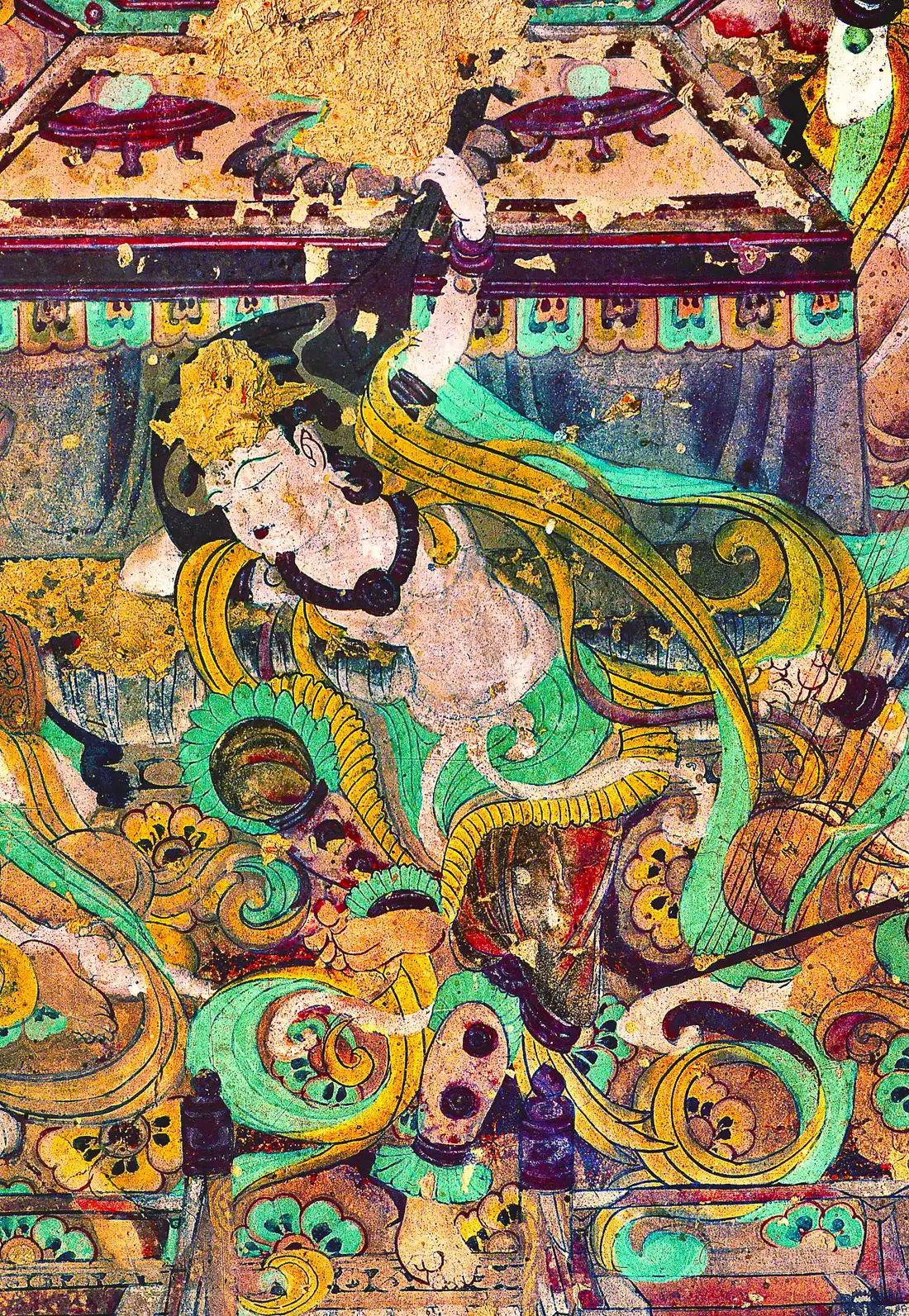
The pipa is a pear-shaped, fretted lute. It migrated from Central Asia into China during the Han and Sui dynasties; its name comes from the two directions of the plectrum stroke, p'i (forward) and p'a (backward). Until the mid-tenth century it was held horizontally and its twisted silk strings were plucked with a large triangular plectrum. Toward the end of the Tang dynasty musicians began using their fingernails, and the instrument came to be held more upright.
Good to know
Before you order
- Shipping & compliance
- Every listing states its materials and wildlife content. Check your destination’s current import rules before ordering.
- Prototype checkout
- This is a demonstration storefront. Checkout is disabled and no order can be placed.
- Ask a question
- Get in touchabout this instrument.
Good to know
About the Student Maple Pipa
Is the pipa harder to learn than the guzheng?
It asks more of the right hand: the pipa is plucked with a plectrum or fingernails and has 24 frets. It is a good next step once you are comfortable with a string instrument.
Why maple rather than rosewood?
Maple gives a bright, projecting tone and, unlike some rosewoods, is not CITES-listed. It keeps the instrument shippable without a permit.
What is included?
A case, plectrums and a beginner method book are included.
Continue exploring
Four ways to make a sound
Every instrument in this collection belongs to a family defined by how it is played. Follow the one that speaks to you.