A living atlas of Chinese musical culture
Traditional Chinese Instruments
The instruments of Chinese music, one by one — how each is built, how it sounds, how it is played, and what it has to do with the music around it. Every claim here is traced to a source.
伯牙善鼓琴,鍾子期善聽。
"Boya was good at playing the qin; Zhong Ziqi was good at listening."
The line is usually remembered for the player. The half that matters here is the second one: someone understood. That is what this site is for — and the same story, told in theLüshi Chunqiu, goes further still: when Zhong Ziqi died, Boya broke his qin and never played again.
01
The instruments
All instrumentsFour to begin with. Each one has a page of its own — how it is built, how it sounds, and how it is played.
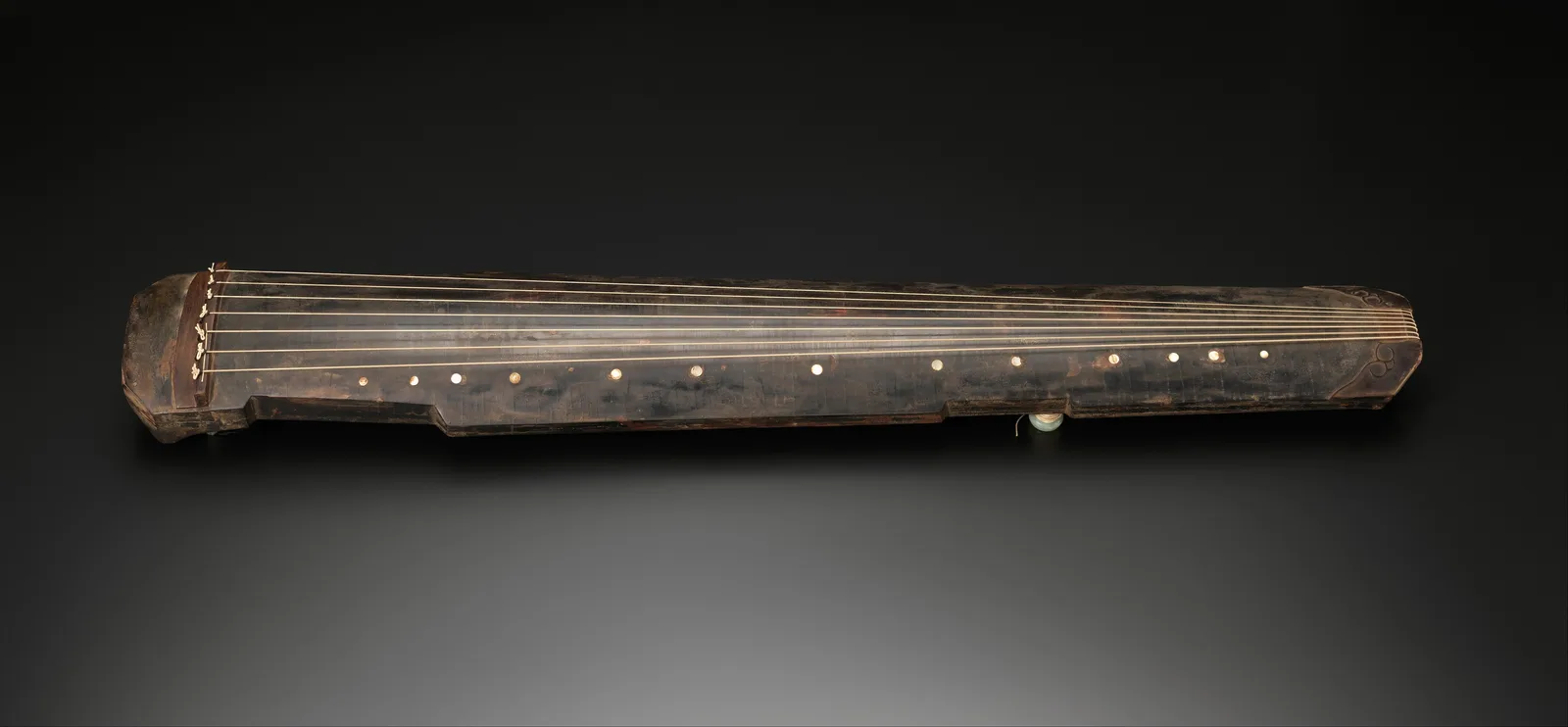
Guqin古琴
A seven-stringed Chinese zither, plucked with the right hand while the left hand stops the strings or touches them to sound harmonics.
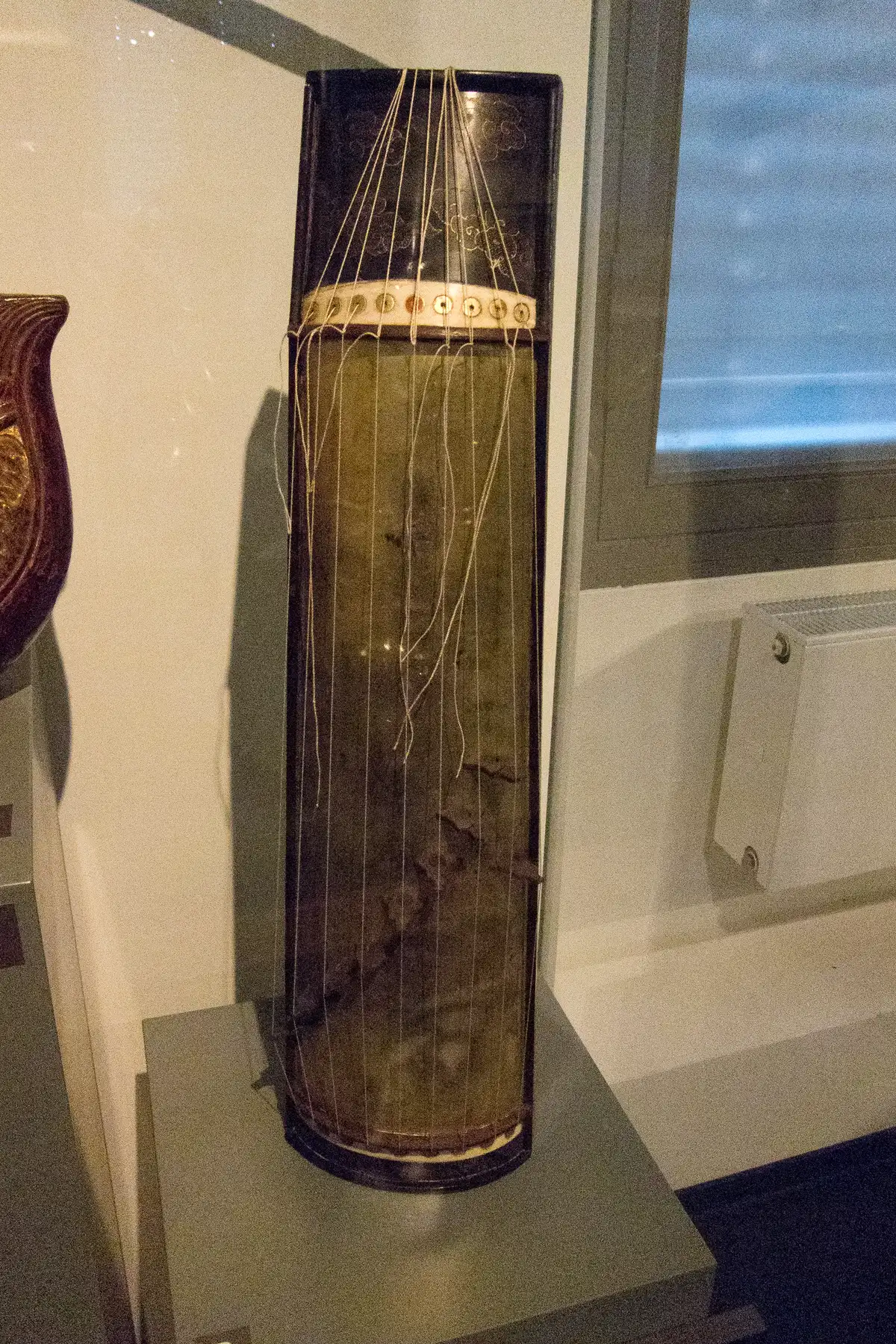 Guzheng古筝A long plucked Chinese zither with metal strings tuned by pegs on the top board, used for home entertainment, folk music and court ensembles.
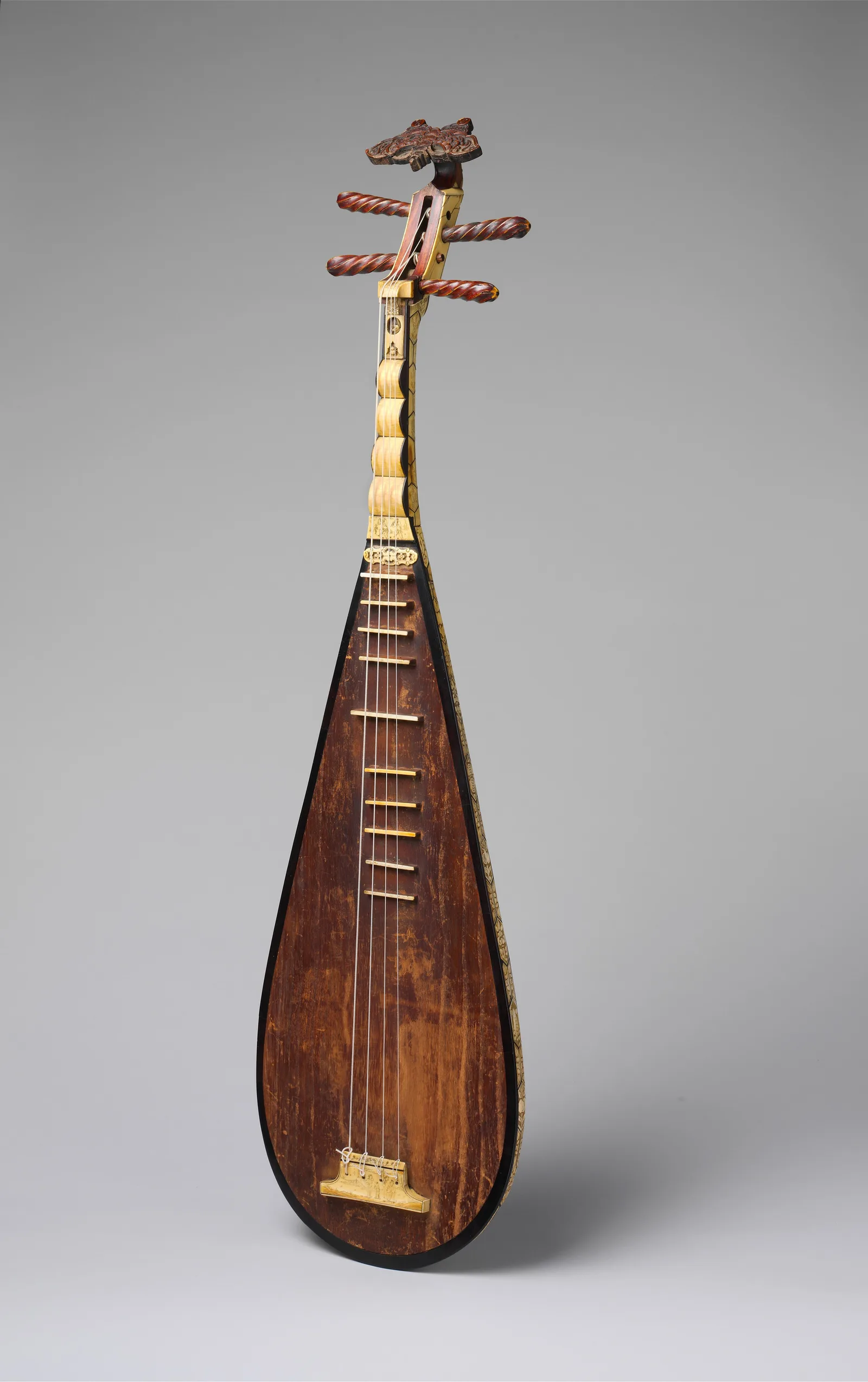 Pipa琵琶A pear-shaped Chinese lute, plucked and fretted, heard in opera and storytelling ensembles and in a virtuosic solo repertory.
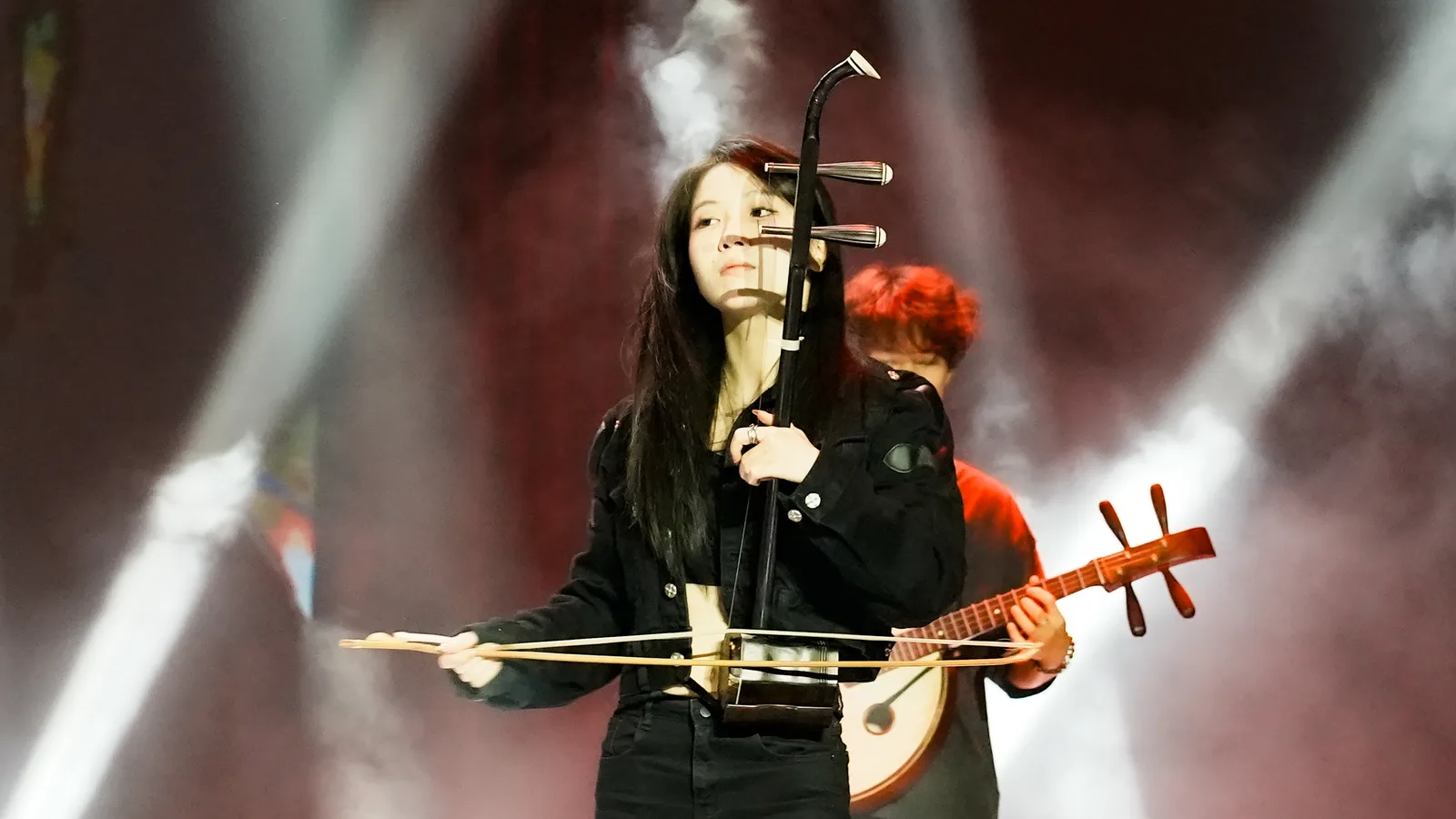
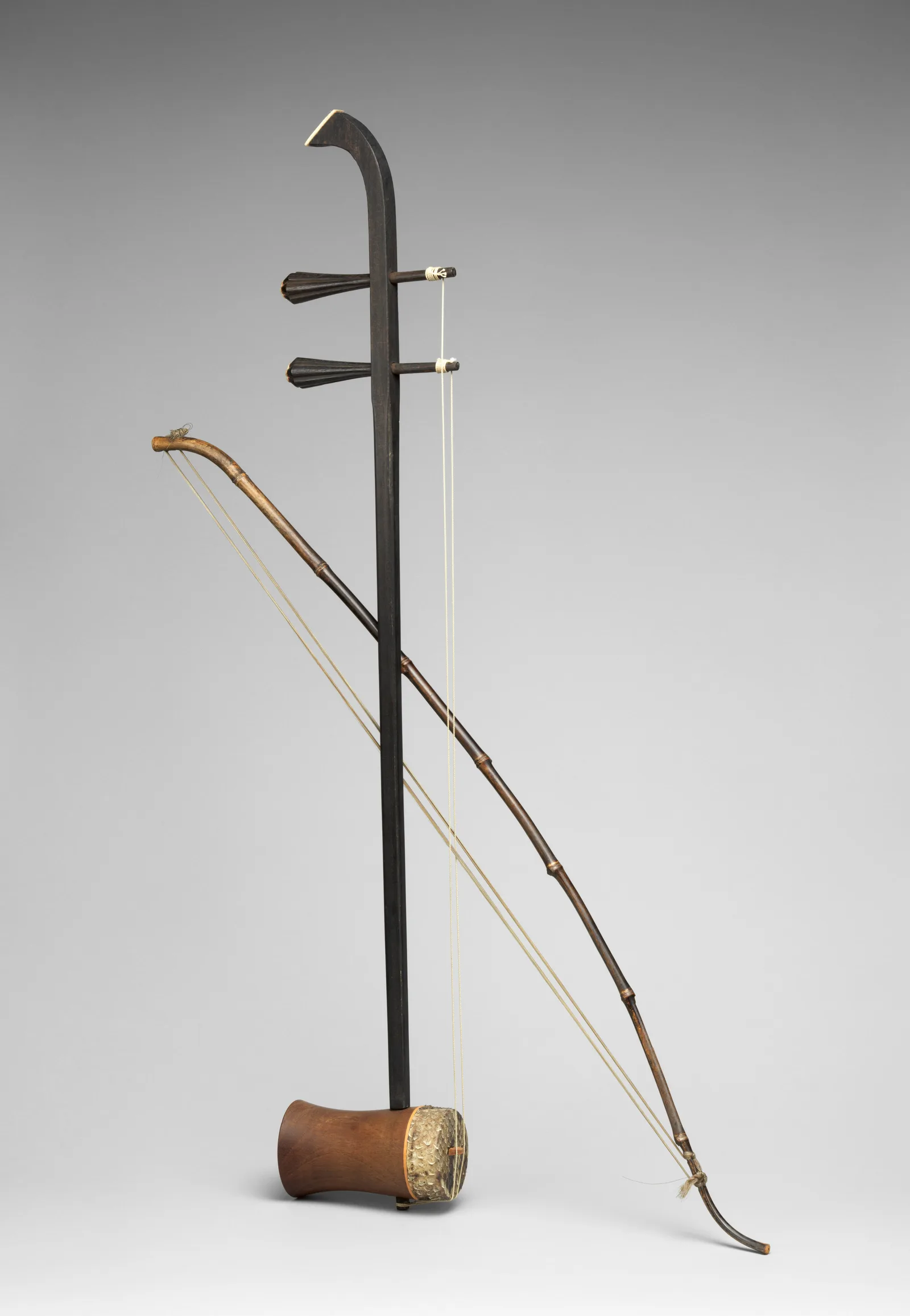 Erhu二胡A two-stringed Chinese bowed fiddle, held vertically and played with the bow hair passing between the strings.
What the Guqin connects to
- Played withOpen-string notes (san), Stopped-string notes (an), Harmonics (fan yin)
- CultureLiterati Qin Culture
- RelatedGuzheng, Guangling San
02
How they are grouped
How Chinese music is organisedTwo ways of sorting the same instruments: by what they are made of, and by how the sound is made.
八音 · By material
- 金MetalBells, and later gongs and cymbals
- 石StoneChime stones
- 丝SilkStringed instruments, from silk strings
- 竹BambooFlutes and pipes
- 匏GourdReed instruments with a gourd wind chest
- 土ClayVessel flutes such as the xun
- 革HideDrums
- 木WoodSlit drums and percussion blocks
By how the sound is made
This grouping is the framework this site uses to help you get oriented. It is not the only way Chinese music is classified, and different sources divide it differently.
03
How a string is made to sound
Ideas & conceptsA guqin string can sound in three different ways, and the difference is not in the right hand. It is in what the left hand does with the string — whether it leaves it alone, presses it down, or rests on it without pressing.
And behind the technique, a culture: Literati Qin Culture.
04
The five tones
What the five tones do and do not describeA string gives a note. Music needs a set of them — and across a long stretch of Chinese music, five was the set.
Pentatonic scale (five tones) · 五声
- 宫Gongdo
- 商Shangre
- 角Juemi
- 徵Zhisol
- 羽Yula
05
Music in living culture
The genresChinese music is not only a list of instruments. It is sung, staged, narrated and danced — and each of those settings has its own tradition.
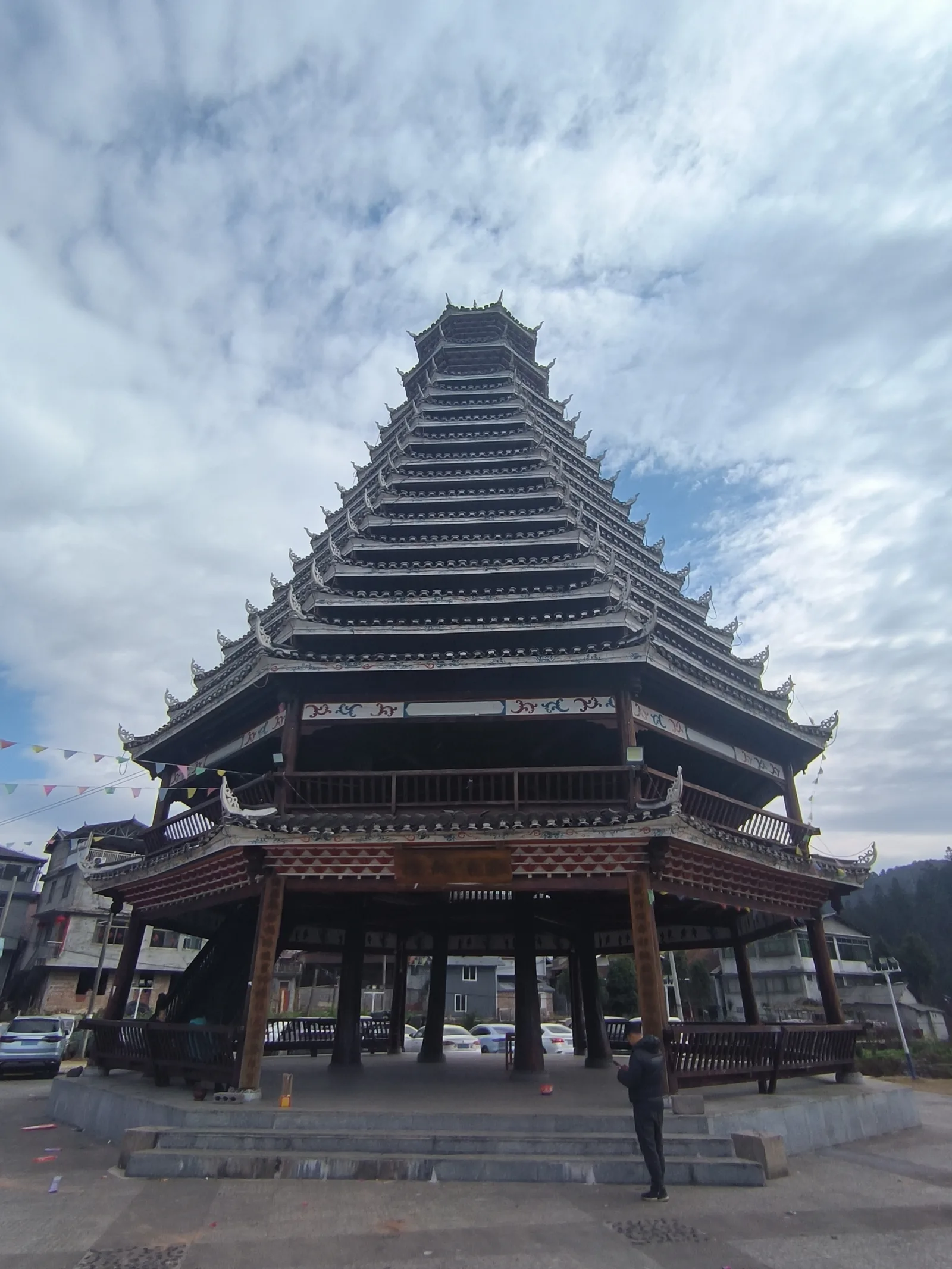


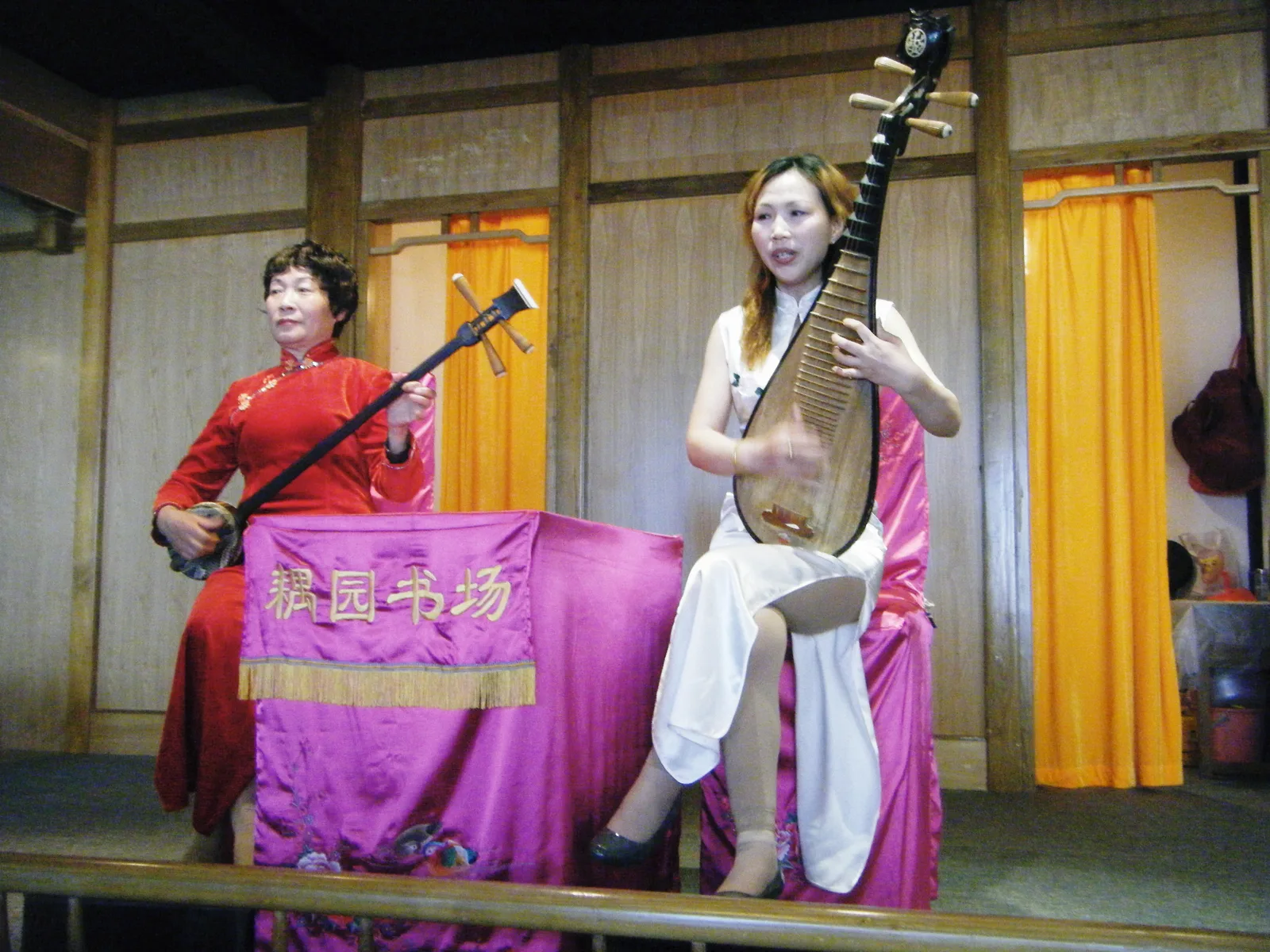
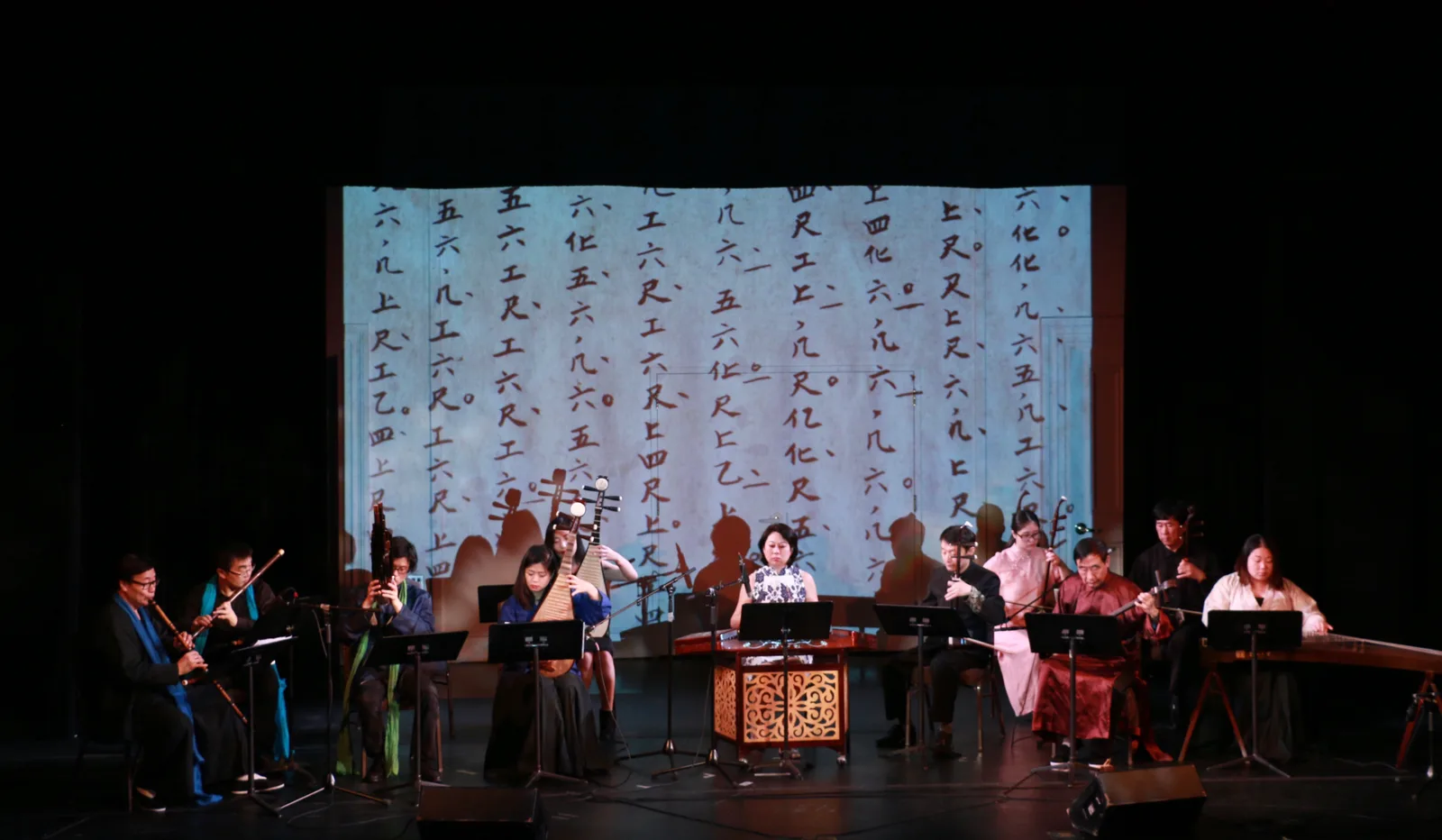
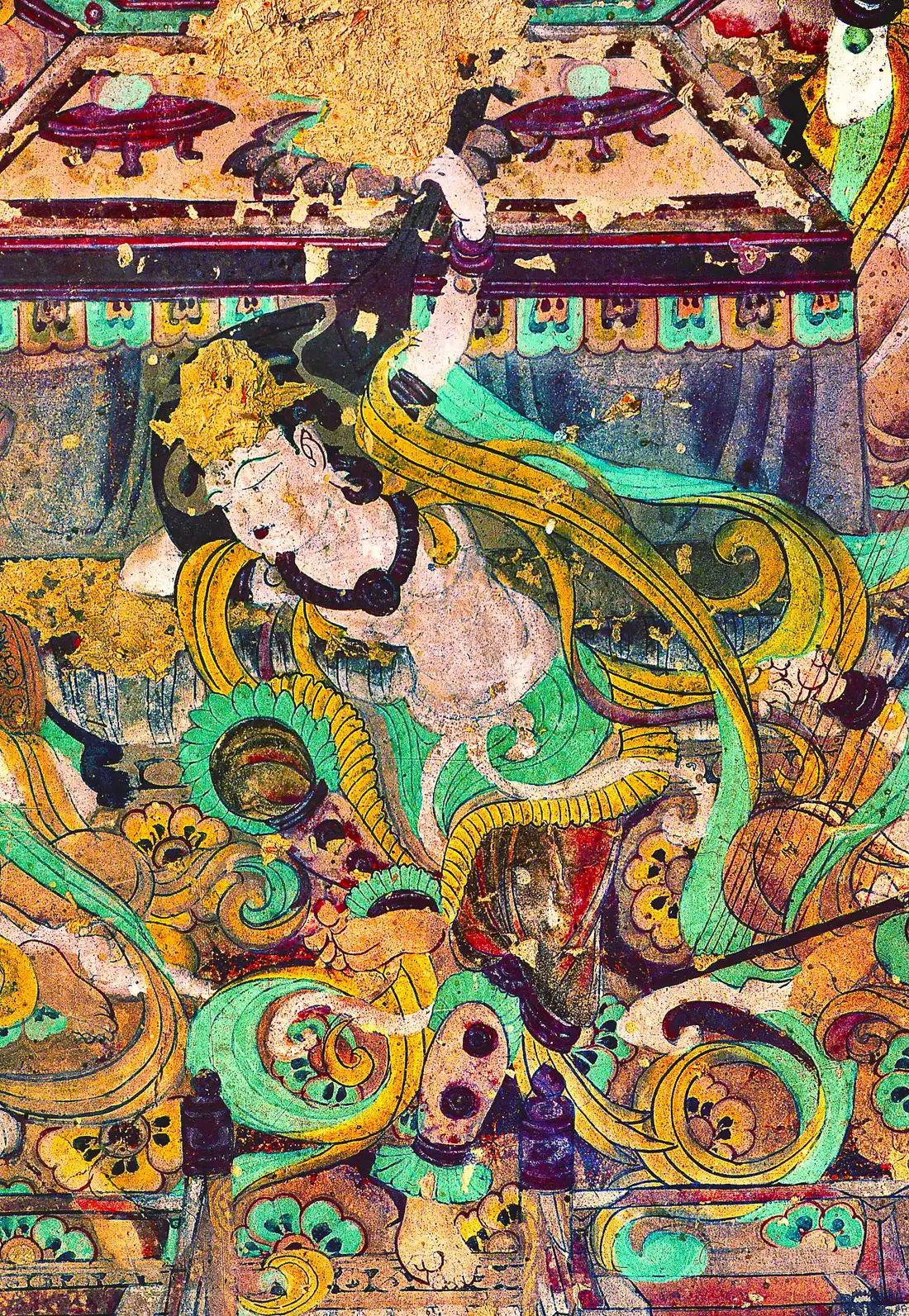
These photographs show related practices; they are illustrative, not evidence for any statement about a genre.
06
Named works
All musical worksIndividual pieces, each with a history of its own — and each one added only where a source can be checked.
- The Moon Reflected on the Second Spring二泉映月Hua Yanjun's best-known erhu piece, named during a 1950 field recording; scholars read it as expressing his own life rather than depicting the scenery its title suggests.
- Guangling San廣陵散A guqin piece claimed in writing by three different hands - Nie Zheng, Ji Kang, and neither - where the disagreement between the sources is the substance, not a caveat.
- Ambush from Ten Sides十面埋伏A martial (wu) pipa piece, recorded in Shen Zhaozhou's 1916 score and listed among the Pudong school's representative martial suites.
07
Listen more closely
All music toolsTwo ways to hear the ideas above at work rather than only read about them, and a third still being prepared.
08
Continue exploring
How Chinese music is organisedEvery way into the rest of the site, gathered in one place.
- InstrumentsWhat is making that sound? Each instrument is explained through its structure, its sound, and the way it is played.Read →
- Musical WorksNamed compositions: what they are, which tradition they belong to, and what can actually be established about their history.Read →
- Ideas & ConceptsHow is the sound produced, and how is pitch organised? Playing techniques, and the ideas behind them.Read →
- Music in CultureMusic in context: where it was played, by whom, and what it meant.Read →
- ListeningPieces, recordings and what to listen for. Each one is linked to the instruments and techniques that shape it.Coming soon
Where the answers come from
Most of what is written here rests on museum records, UNESCO's heritage listings and Chinese scholarship. Each source records the specific claims it supports, and where the record is thin, the page says so rather than filling the gap.